
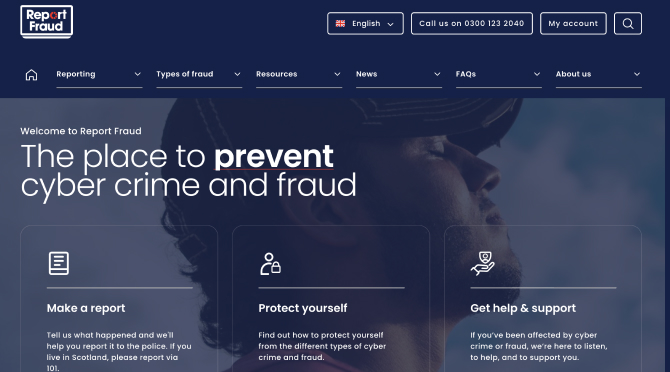
The facade of digital justice When you land on reportfraud.police.uk, the professional design and the official “.police.uk” suffix immediately command trust. It looks like the ultimate shield against the wave of scammers sweeping the internet. The site promises a streamlined process to report cybercrime and financial theft. However, for a seasoned investigator of online schemes, the shiny surface is exactly what raises the first red flags. The platform acts more like a massive data collector than an active police force ready to kick down doors.
The automated response trap
The biggest issue with this entity is the disconnect between user expectations and reality. Most victims believe that by clicking “report,” they are initiating a criminal investigation. In reality, you are likely feeding a database. The system is designed for “intelligence gathering.” This means your specific case, your lost money, and your personal tragedy become just another statistic in a monthly report. If you are looking for immediate action or a way to get your funds back, this platform often feels like sending a message in a bottle into a vast, uncaring ocean.
Transparency and the accountability gap
Critically, the success rate of these reports leading to actual arrests is shockingly low compared to the volume of complaints. The company—or rather, the bureau—operates behind a veil of bureaucratic complexity. While they claim to analyze patterns of crime, the average person is left in the dark for months. There is no personal investigator assigned to you, no direct line to call for updates on your specific thief. This lack of transparency is exactly what modern “administrative” entities use to mask inefficiency. It creates a “buffer zone” that protects the authorities from the public’s demand for results.
Data collection: who is really being watched?
In every fraud case, data is power. When you use this site, you hand over a massive amount of personal information, financial details, and communication logs. While they claim this is for “intelligence,” one must ask: how secure is this centralized hub of victim data? In an era of constant government data breaches, giving all the details of how you were scammed to a single point of failure is a risk in itself. You aren’t just reporting a crime; you are entering a permanent government database with no clear exit strategy.
Final verdict: a bureaucratic maze
If you have been scammed, do not expect reportfraud.police.uk to be your knight in shining armor. It is a tool for the state, not a service for the individual. The psychological comfort of “reporting it to the police” often prevents victims from taking more effective, private actions to recover their assets. Approach with caution, manage your expectations, and remember that in the world of cybercrime, an official logo doesn’t always mean your money is coming back.

8 responses to “The illusion of protection: why reportfraud.police.uk might disappoint you”
Total waste of time. I’m convinced this site is just a ‘honeypot’ to make us feel safe while the scammers finish emptying our accounts. I gave them every bit of info, and they did nothing. It feels like they are protecting the criminals by keeping us busy with paperwork instead of actual police work.
Is it just me, or does Report Fraud seem to be in on the game? They collect all our data, tell us to ‘wait,’ and then nothing happens. By the time they ‘process’ a report, the money is gone through ten different mixers. This isn’t incompetence; it’s complicity. They provide a smokescreen for the thieves.
I followed their ‘official’ advice and stopped communicating with the scammer to wait for the police. Big mistake. The site is a graveyard for complaints. They are essentially partners-in-crime by silence. If they actually arrested anyone, the scams would stop. They don’t, so they won’t.
Don’t bother filling out their forms. It’s a digital black hole designed to protect the banking system, not the people. They act like a firewall for scammers—as long as your case is ‘under review’ at reportfraud.police.uk, nobody else will help you. They are literally guarding the exit for the fraudsters.
The perfect scam within a scam. The government sets up a site that does zero investigations, giving criminals a free pass to operate in the UK. I’ve had more help from a random Reddit thread than from this official ‘police’ resource. They are useless at best and co-conspirators at worst
If you want your money to stay gone, report it here. They give the scammers a massive head start. I suspect they share data or at least sell the illusion of security so the public doesn’t demand real laws. This site is the best thing that ever happened to cyber-criminals.
Think about it: why is the recovery rate so low? Because they don’t want to catch them. This platform is a sham. It’s a tool to gather intelligence for the state while leaving the individual victim to rot. They are practically shaking hands with the cartels by letting these websites run for years.
Every time I see a ‘.police.uk’ link for fraud, I laugh. It’s a decoy. They take your info, put it in a folder, and let the scammer move on to the next victim. It’s a symbiotic relationship—the scammers get the money, and the bureau gets the funding to ‘study’ the problem. Absolute disgrace.